About us
SepsisNet Netherlands is the independent national network of healthcare professionals and researchers working towards earlier recognition, better treatment and better aftercare of sepsis.
Sepsis is a life-threatening response of the body to an infection and must be recognised and treated quickly. That is why we work on awareness, education, guidelines and research, across the whole chain of care from GP to rehabilitation.
We connect healthcare professionals, researchers, patients and relatives, bring research initiatives together and work on quality improvement. SepsisNet was founded in October 2019, following the petition ‘SOS for sepsis’.
Board

Hjalmar Bouma
Chair
I work as an acute internal medicine physician and clinical pharmacologist at the University Medical Center Groningen (UMCG). In the emergency department I care for patients who are acutely and potentially seriously ill. My patients are at an early stage of their illness, and recognising developing sepsis in time to start the right treatment quickly can be a major challenge. To improve the early recognition and treatment of sepsis, I conduct research to identify risk factors for an unfavourable disease course, and by unravelling the disease mechanisms I aim to contribute to the development of new drugs.

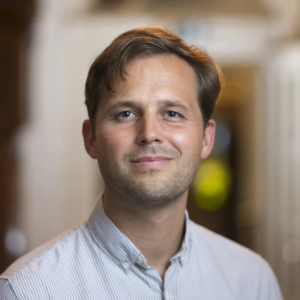
Bas Haak
Secretary
I am an infectious diseases physician in training and a postdoctoral researcher at Amsterdam UMC. My research focuses on the role of the microbiome in infectious diseases, in particular how bacteria, fungi and viruses in the gut influence the course of severe infections and ICU admissions. I completed my PhD in Amsterdam and New York cum laude. I then received a Niels Stensen Fellowship and a Rubicon fellowship, with which I studied new bacterial strains that may protect against severe infections at the Wellcome Sanger Institute in Cambridge (UK).

Arthur van Zanten
Treasurer
I am professor of internal medicine and intensive care at Gelderse Vallei Hospital in Ede, head of the ICU and head of research. I study the role of nutrition in recovery from metabolic stress, of which sepsis is perhaps the best-known example. For years I have worked to improve outcomes for patients with sepsis through research, as an initiator of the Surviving Sepsis Campaign in the Netherlands, and as chair of the VMS sepsis programme and of the treatment guideline currently in development. Improving the long-term consequences of sepsis is my particular passion; there is still a world to be won.

Roderick Venekamp
General board member
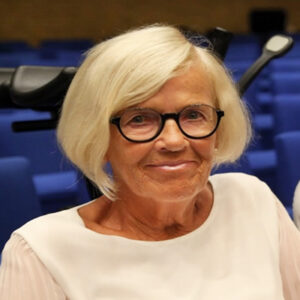
I am a general practitioner and associate professor at the Julius Center (UMC Utrecht). I lead the research group on infectious diseases in general practice, which aims to improve care for common infections. Since 2014 I have been an editor of the Cochrane Acute Respiratory Infections Group, and I have contributed to revisions of Dutch College of General Practitioners (NHG) guidelines on, among others, otitis media in children and rhinosinusitis. I currently serve on several ZonMw committees and on the Vaccinations Committee of the Health Council of the Netherlands, and I chair chamber A-O of the NedMec research ethics committee and the NHG authorisation committee.

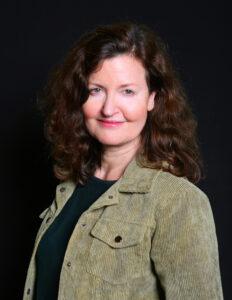
Suze Korver
General board member
I am a board member of SepsisNet because, unfortunately, I have lived experience. In 2014 I developed life-threatening sepsis, after which I had to continue my life with severe disabilities, without hands and lower legs. That is why I believe it is essential that sepsis is recognised quickly, to prevent unnecessary suffering.

Karin Kaasjager
General board member and incoming chair
As an acute internal medicine physician and former intensivist, I know the journey of patients with sepsis all too well. In the emergency department I see sepsis at an early stage, when rapid recognition is crucial. Inside and outside the hospital I work to limit the consequences of sepsis through public information, education and collaboration. As professor of acute medicine, I aim to contribute through research (Julius Center, UMC Utrecht) to the early recognition and treatment of sepsis and to the quality of care for this group of patients.
Former board members
Joost Wiersinga, secretary (2024-2026)
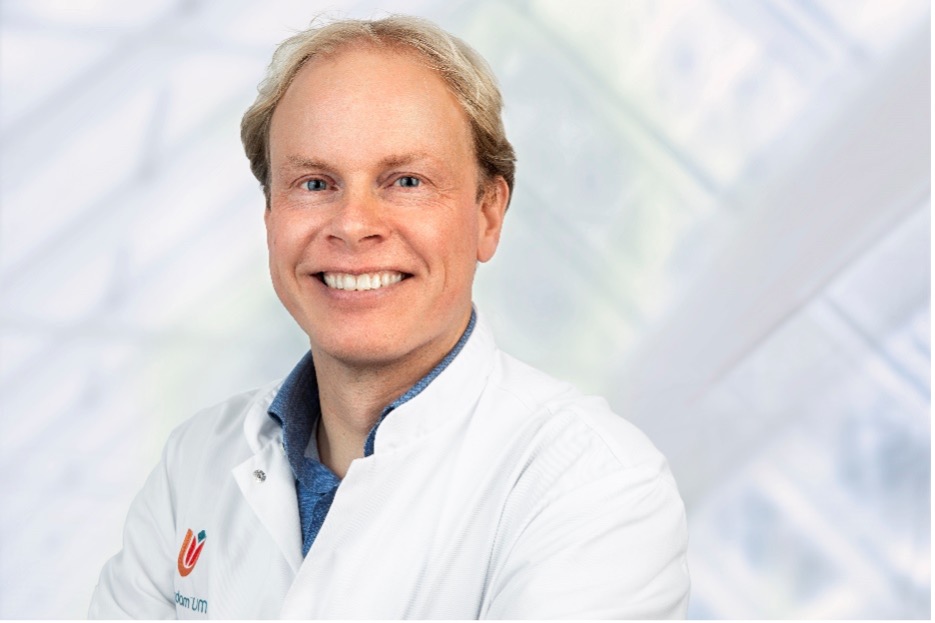
Joost Wiersinga was secretary of SepsisNet from 2024 to 2026. He is professor of internal medicine and infectious diseases and heads the Department of Infectious Diseases at Amsterdam UMC. His research focuses on sepsis and bacterial infections such as pneumonia and COVID-19. He contributes to the sepsis guidelines of the Surviving Sepsis Campaign and the Dutch Working Party on Antibiotic Policy (SWAB), and is active in the sepsis working groups of the European Society of Clinical Microbiology and Infectious Diseases (ESCMID) and the International Sepsis Forum (ISF).
Peter Pickkers, chair (2019-2024)
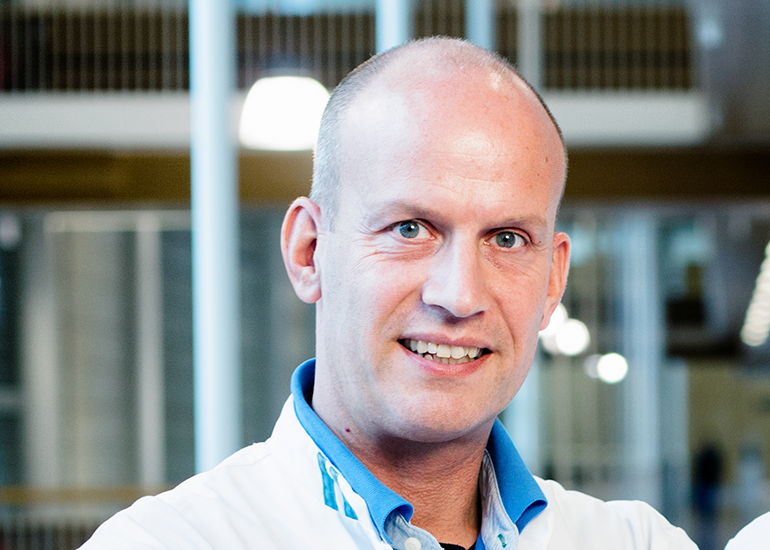
Peter Pickkers chaired SepsisNet from its founding in 2019 until 2024. He is professor of experimental intensive care medicine at Radboudumc in Nijmegen. His research focuses on pharmacological modulation of the innate immune response in translational models and in patients. Using, among others, the human endotoxaemia model and experimental rhinovirus infection, his group studies the pathophysiology of inflammation in humans. He also conducts clinical research in critically ill patients, with a focus on sepsis, delirium and acute kidney injury. He serves on the editorial boards of Intensive Care Medicine Experimental, the Netherlands Journal of Critical Care and the Nederlands Tijdschrift voor Geneeskunde, and has been a member of several guideline committees, including that of the SWAB. He has co-authored more than 200 peer-reviewed articles and 22 book chapters.
Partnership
SepsisNet and Sepsis Nederland
SepsisNet and the patient organisation Sepsis Nederland (founded in December 2024) work together. Their roles are complementary:
SepsisNet
Independent professional and scientific network. Connects the chain of care, works on minimum standards for recognition, treatment and aftercare, provides education such as the annual Sepsis Masterclass, coordinates research with an annual science day and advises policymakers and professional societies.
Sepsis Nederland
Patient organisation for people who have (had) sepsis and their relatives. Focuses on information, advocacy and peer support, and brings in the perspective of patients and families.
Together
A joint communications committee for public campaigns, social media and videos, attention around World Sepsis Day (13 September), sharing good practice in aftercare, and representation in the European Sepsis Alliance.
Network
Connected nationally and internationally
SepsisNet is a member of the European Sepsis Alliance and works closely with the Dutch patient organisation Sepsis Nederland.
Member of
European Sepsis Alliance
European alliance advocating a European sepsis plan, with the vision of a Europe free of sepsis.
Partner
Sepsis Nederland
Patient organisation for and by people who have (had) sepsis and their relatives.
We take part in
World Sepsis Day
Every year on 13 September: worldwide attention for recognising and preventing sepsis.
Milestones
Key steps in Dutch sepsis care since the 2018 petition. The early years are also described in the European Sepsis Alliance country report.
- 2018 The petition SOS voor sepsis is presented to the Dutch House of Representatives. After three meetings with the Ministry of Health, support follows for a sepsis network, guideline funding and a congress.
- 2019 Phase I of the Dutch adult sepsis guideline is delivered. In October, the SepsisNet Nederland foundation is established.
- 2020 SepsisNet publicly launches (September), with a board of medical specialists, a general practitioner and a former patient.
- 2021 The Dutch guideline Sepsis in Children is published (June).
- 2022 First SepsisNet Science Day (May), held annually since. Publication of the complete adult sepsis guideline with phases II and III (November), with attention to communication and aftercare.
- 2023 Launch of the TULIP project (January), initiated by Amsterdam UMC with the Amsterdam University of Applied Sciences (Centre of Expertise Urban Vitality), allied health professionals from the Amsterdam region and patient representatives, including Sepsis en daarna. TULIP develops an integrated transmural allied health model of care (iTRAC) for recovery after hospitalisation, including for patients with sepsis. Also, meetings with Sepsis en daarna and C-support on a future expertise centre for post-infectious conditions.
- 2024 First Dutch Sepsis Masterclass; held annually since.
- 2026 Science Day in a new format, focused on building a research network. Renewed website with a network of researchers and information for professionals.
- 2027–2028 Expected: National Sepsis Action Plan.